
Synthetic Kerosene From Co2
Hydrocarbons form the basis of synthetic kerosene. Alternatively a mixture of carbon dioxide from the atmosphere and green hydrogen could be used.

Life Recycled Eco Home Facts Infographic Eco House Eco Friendly House Ecological House
Earlier this month KLM announced that it had performed what it says was the worlds first commercial passenger flight powered partially by sustainably produced synthetic kerosene.

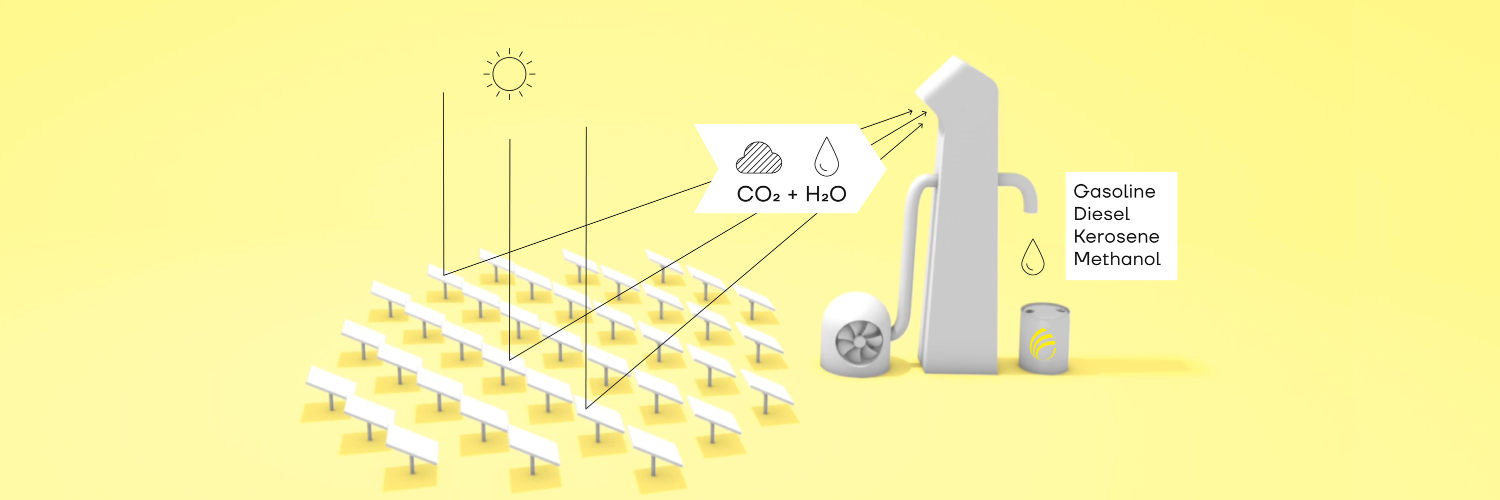
Synthetic kerosene from co2. The KLM aircraft used regular fuel mixed with 500 litres of synthetic kerosene produced by Royal Dutch Shell with carbon dioxide water and renewable energy sources along. The device captures carbon dioxide and water from the air and uses solar energy to convert it into syngas which is then converted into carbon-neutral liquid fuels. The intended factory of Shell and Vattenfall originally Swedish will be located on the east coast of Sweden partly because it is relatively easy to obtain CO2 and electricity there.
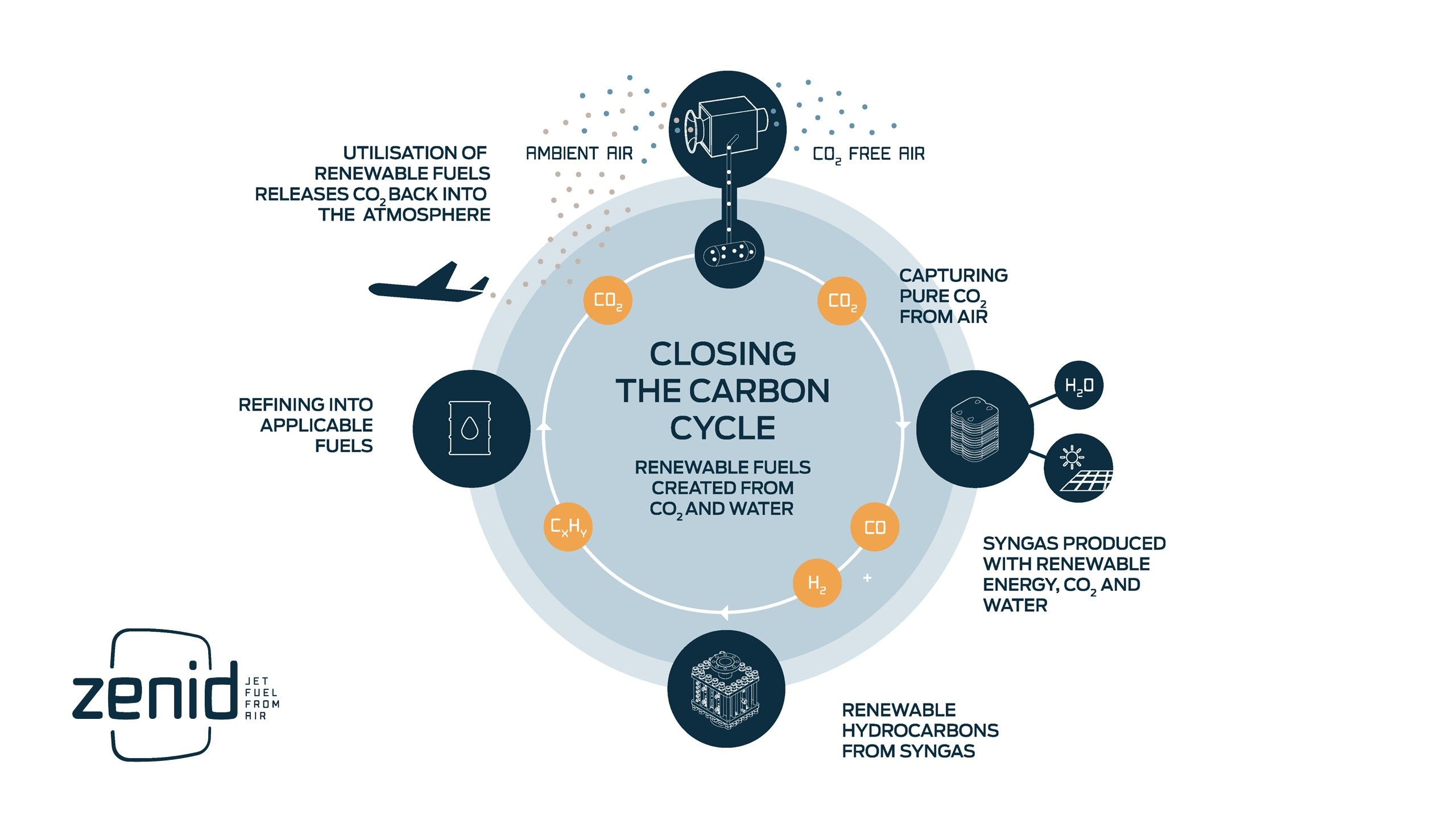
Hydrocarbons are then made from this gas mixture. The result is a synthetic kerosene made out of CO 2 water and green energie which can be mixed with regular kerosene. While methods of producing synthetic jet fuel from carbon dioxide are already known until now they have been significantly more expensive than kerosene from fossil sources and long-chain.
Synthetic fuel is made from CO₂ captured from air water and green electricity. They potentially offer the most most promising currently available way to make substantial reductions in aviations carbon footprint. This includes established conventional fossil-based processes see Box 2.
The CO 2 is separated via carbon capture. NGO atmosfair develops and operates climate protection projects offers decarbonisation advice to companies and sells CO2 emission offsets from projects in the global south. The idea of utilizing surplus CO 2 to manufacture fuel transforms an unwanted by-product into a desirable commodity.
As the availability of the carbon feedstock is potentially abundant synthetic kerosene made in this way is viewed as one of the more promising long-term options for production of SAF at the volumes required to help aviation progress towards net-zero emissions. Shell produced the synthetic kerosene in its research center in. The goal of the project is to produce a synthetic high-octane fuel that is CO 2-neutral.
In the Netherlands KLM operated a passenger flight for the first time in the world with the aircraft flying partly on sustainably produced synthetic kerosene. Synthetic kerosene is made from captured CO2. The Power-to-Liquid plant produces the synthetic crude oil by means of Fischer-Tropsch synthesis from carbon monoxide CO recovered from CO2 and hydrogen.
The worlds first e-kerosene plant opens in Germany. The process combines CO2 captured from the atmosphere through their Direct Air Capture system with hydrogen to produce hydrocarbon fuels. The syngas could be derived from gasification of solid feedstocks such as coal or biomass or by reforming of natural gas.
It will deliver the e-kerosene to its pilot customer Lufthansa Group which will add the synthetic fuel to its fuel mix. It concerned a passenger flight from Schiphol to Madrid. Synthetic forms of kerosene offer considerable potential to reduce CO2 emissions provided they are produced from additional renewable energy.
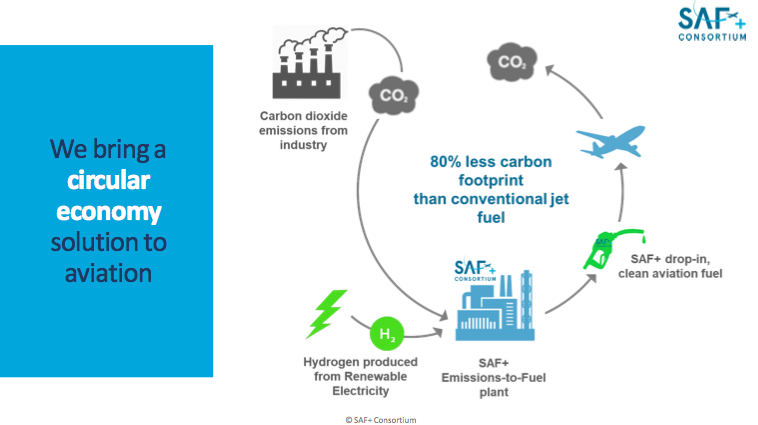
Burning that synthetic kerosene releases only as much CO2 into the atmosphere as was previously removed to produce the fuel making it carbon neutral. Air Transat hopes to soon refuel its fleet of aircraft with a jet fuel made from kerosene derived from captured carbon dioxide produced by large industrial emitters. This form of sustainable kerosene is made from bio-waste such as old frying fat.
To make it carbon neutral CO2 captured from the atmosphere or industrial plants can be a. Sustainable electricity is used to turn the captured CO₂ and water into hydrogen and carbon monoxide. The fuel for the January flight between Amsterdam and Madrid was produced in the Netherlands by Shell using CO2 water and renewable energy.
A Carbon Engineering staff member holds clean synthetic fuel made from Carbon Engineerings Direct Air Capture system and hydrogen split from water. Within a generation it will be cheaper to make fuel than to pump and refine oil. Synthetic fuel or synfuel is a liquid fuel or sometimes gaseous fuel obtained from either syngas a mixture of carbon monoxide and hydrogen or a mixture of carbon dioxide and hydrogen.
Synthetic Kerosene is an artificial kerosene from carbon and hydrogen atoms. All this will be a huge economic activity in the next decades. In a first German researchers have used sunlight carbon dioxide CO2 and water to make kerosene which has potential to revolutionise the energy sector according to German-Aerospace Centre DLR.
This fuel is then mixed with fossil fuel so that it can be used in. The plant which produces synthetic crude oil as a basic material for the manufacture of climate-neutral kerosene approved for aviation is being commissioned. The necessary hydrogen is extracted from completely normal water using the electrolysis process.
In the Shell Technology Center Amsterdam a large team rose to the challenge to produce a cleaner type of kerosene. A carbon-neutral alternative to jet fuel the first production runs of the kerosene are for Lufthansa with atmosfair planning to scale production as quickly as possible to begin supplying other airlines. A KLM aircraft powered by synthetic fuel transported passengers from Amsterdam to Madrid last month being the first flight in the world operated with synthetic kerosene.
Carbon based liquid fuels manufactured via chemical conversion processes from a carbon source such as coal carbon dioxide natural gas biogas or biomass. Smarter ways of making artificial kerosene directly from CO2 water and electricity instead of first using hydrogen are also being researched. SHELL BHAG animation Transcript.
The project is financed without public funding. First passenger flight with synthetic kerosene from CO2. German non-profit atmosfair recently opened the worlds first industrial manufacturing plant for synthetic kerosene.
In a pilot project researchers from the ETH Zurich developed a novel technology that uses concentrated solar energy to synthesise liquid hydrocarbon fuel from water and CO2. Synthetic kerosene is produced by combining captured carbon with green hydrogen made from water and renewable power. Synthetic kerosene also called e-kerosene or power-to-liquid PtL is seen as having huge potential to slash the aviation industrys carbon footprint.

Carbon Engineering Taking Co2 Right Out Of The Air To Make Gasoline
2

Synthetic Kerosene A Take Off To Co2 Neutral Aviation Iesa Shift

Why Synthetic Petroleum Could Be Key To Decarbonisation News Gasworld
Montreal Group Aims To Turn Industrial Co2 Into Sustainable Aviation Fuel Skies Mag

Synkero To Build Commercial Aviation E Fuel Facility In The Port Of Amsterdam Bioenergy International
Synhelion Solar Fuels Solar Impulse Efficient Solution

Compensaid Fly Co2 Neutral
A Kind Of Magic Sustainable Aviation Fuels From Air Update Airinsight

Kit Concept And Approach
The Outlook For Powerfuels In Aviation Shipping Energy Post
Ultra Clean Jet Fuel 75 Reduction In Co2 Emissions
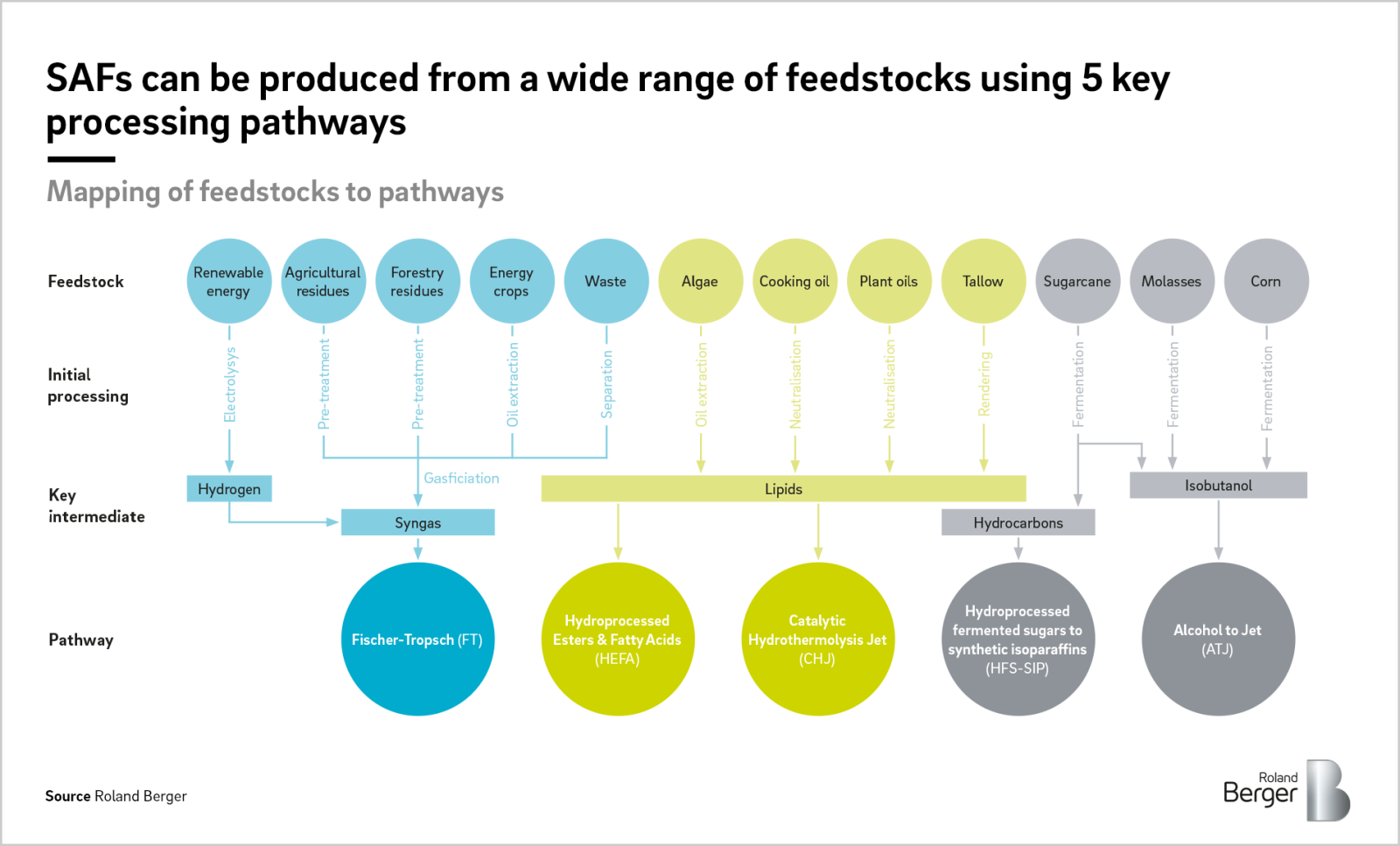
Sustainable Aviation Fuels Key For The Future Of Air Travel Roland Berger

Discover 5 Top Energy Startups Converting Co2 To Fuel

Posting Komentar untuk "Synthetic Kerosene From Co2"